
Leadership Letter: Connecting via Ethics, Engagement and Inclusive Partnerships
By Curtis Darragh IV | March 2026
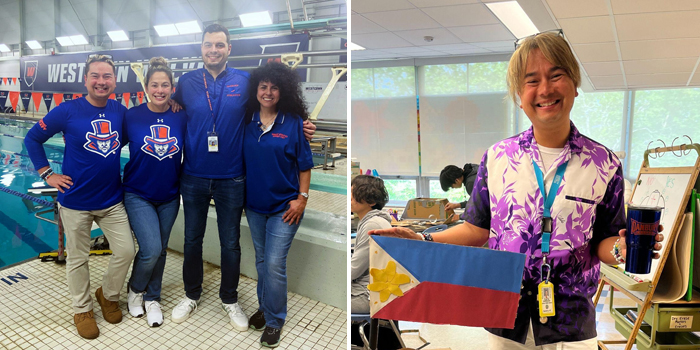
Strong family connections are the foundation of effective school counseling. At their core, these relationships are built on ethics, trust and respect, ensuring that every family – regardless of background, language, or educational setting – feels valued and supported. In Danbury, Connecticut, our school counseling programs are committed to embedding family engagement into daily practice while honoring the diverse needs of our community, including families in urban neighborhoods and those who choose homeschooling options.
School counselors also engage families through consistent communication – emails, phone calls, virtual meetings, ParentSquare, talking points and in-person conferences – meeting families where they are and reducing barriers to participation.

Multicultural events across our schools – celebrating heritage, traditions and shared experiences – further strengthen school-family partnerships. These events allow families to see their cultures reflected and respected within the school community, reinforcing a sense of belonging.
Contact Curtis Darragh IV, a member of the Connecticut School Counselor Association Board of Directors, at darrac@danbury.k12.ct.us.
Ethics With Families
Ethical practice guides every interaction school counselors have with families. This means maintaining confidentiality, communicating clearly and honestly, and advocating for students while respecting family values and cultural perspectives. School counselors serve as partners – not decision-makers – ensuring families are informed, empowered and included in conversations about academic, social/emotional and postsecondary planning.Embedding Family Engagement
Family engagement is most effective when it is proactive rather than reactive. In schools, school counselors embed engagement by hosting family nights on topics such as social media safety, coping skills for middle schoolers, academic planning, and college and career readiness. These events are designed to be accessible, welcoming and relevant, often held in the evenings with flexible formats to accommodate working families.School counselors also engage families through consistent communication – emails, phone calls, virtual meetings, ParentSquare, talking points and in-person conferences – meeting families where they are and reducing barriers to participation.
Connecting With Urban Communities
For example, Danbury has a rich culture and linguistic diversity is its strength. School counselors here intentionally build relationships within our urban community by collaborating with the Family Engagement and Resource Center, which provides families with access to community resources, workshops and support services. Translators and bilingual staff play a critical role in ensuring families receive information in their preferred language, fostering understanding and trust.Multicultural events across our schools – celebrating heritage, traditions and shared experiences – further strengthen school-family partnerships. These events allow families to see their cultures reflected and respected within the school community, reinforcing a sense of belonging.
Supporting Homeschooling Families
School counselors also support families who homeschool by providing guidance on academic planning, social/emotional development and transitions back into traditional school settings when applicable. School counselors serve as a bridge, offering resources, answering questions and ensuring students and families remain connected to district opportunities and supports.Expanding Support Through School-Based Health Centers
School-based health centers are another vital component of family connection. By collaborating with these centers, school counselors help families access mental health services, medical care and wellness support directly within the school setting. This integrated approach reduces barriers, normalizes help-seeking and ensures students and families receive comprehensive care.Moving Forward Together
Family connections thrive when schools listen, adapt and collaborate. Through ethical practice, intentional engagement, cultural responsiveness and strong community partnerships, school counselors continue to build meaningful relationships that support student success – academically, socially and emotionally. Together, schools and families create the conditions for every student to thrive. #LetsMove forward to a brighter 2026!Contact Curtis Darragh IV, a member of the Connecticut School Counselor Association Board of Directors, at darrac@danbury.k12.ct.us.