
Building Futures Early: The Vital Role of Elementary School Counselors in Utah
By Elise Hanson | November 2025
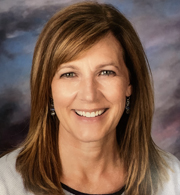 In 1995, when I became a high school counselor, I was unaware of any elementary school counselors in Utah. Ten years later, I found myself among a handful in the state. Now – 30 years later – we have roughly 430 elementary school counselors in Utah! I’m honored to represent them as the USCA Elementary School Counseling vice president.
However, despite this growth, there is still a significant need, with the student-to-school-counselor ratio hovering around 806:1 compared to approximately 288:1 on the secondary level. The biggest hurdle is funding – elementary school counselors are funded at the discretion of local school districts. It's time to advocate and collaborate to help leaders recognize the need for, and the success that comes from, having school counselors in the elementary setting.
The Utah K–12 Comprehensive School Counseling Program outlines four key domains for student success: Academic and Learning Development, Life and Career Development, Citizenship Development, and Health and Wellness Development. This development begins at the elementary school level through the work of elementary school counselors. When a comprehensive program is fully implemented across K–12, students earn higher grades, feel a stronger sense of belonging and safety, experience fewer classroom disruptions and report more positive peer relationships.
The second hurdle is implementation: many aren’t sure how to bring the Utah K–12 Comprehensive School Counseling Program to life in elementary settings. To support this effort, the Utah State Board of Education has developed an updated Elementary Implementation Guide.
Have you checked it out? Even those who have might remain uncertain about practical implementation. Many school counselors – especially those whose training focused on the middle or high school level – weren’t exposed to the day‑to‑day role of an elementary school counselor during their coursework. Thankfully, that is beginning to change.
I recall attending an awards ceremony several years ago when a high school counselor remarked, “The Rookie of the Year recipient conducted over 50 classroom lessons a month—that’s amazing!” I sat in disbelief realizing he was unaware that elementary school counselors across our state teach that many, and even more, collaborative classroom lessons every month in their schools. In fact, elementary school counselors spend more than 45 percent of their time teaching classroom lessons rooted in school needs, aligned with the Utah School Counseling Program components, and the vision of “Portrait of a Graduate.”
More than 85 percent of elementary school counselors’ time is devoted to direct services: connecting with every student through collaborative classroom instruction, facilitating small groups, providing individual counseling and supporting school faculty as they collaborate on school goals. They also contribute to the school climate – creating warm, welcoming environments – and partner with parents via newsletters, workshops, videos, etc. and by lending a listening ear.
Understanding what elementary school counselors can do to bolster student growth benefits all levels of education. As school counselors, we can support one another and build programs that endure for a lifetime of success. Whether you serve in elementary, middle or high school, I encourage you to advocate and visit your feeder schools to plan collaboratively across levels.
To learn more, join me at the USCA conference (Nov. 20–21) for “Elementary School Counselors – Part of the K–12 School Counseling Picture: Let’s Advocate!” to keep lifting one another and affirming the essential work of elementary school counselors.
Contact Elise Hanson, USCA Elementary School Counseling vice president, at elise.hanson@utschoolcounselor.org.