
SEL Beyond the Counseling Corner
By Starlette Anderson and Ashlee Davis | May 2026
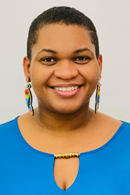
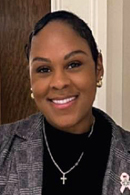 When I began my career as an elementary counselor, I remember the exact moment SEL began making waves in Virginia. As a grant coordinator (you know us school counselors . . . we wear many hats!), I sat through countless meetings where "social/emotional learning" was the ultimate buzzword. Many of us wondered if it was a passing trend, something drilled into us for a few seasons before fading away.
Today, I can say with certainty that SEL was never a phase; it is the heartbeat of a successful school culture. My journey has come full circle. I now serve as an elementary school counseling specialist for a large division, overseeing explicit SEL instruction across all levels. What I’ve learned is that while instruction is the foundation, the real magic happens when SEL moves beyond the school counselor's office.
Creating SEL Culture
SEL is best implemented as a collaborative practice. When students see school counselors, teachers, families and community members working together, they realize the adults in their lives are collectively providing a safe, consistent environment. This ensures SEL isn’t limited to isolated lessons but becomes an integrated part of a student’s daily life.Our division fosters this culture through several strategic layers:
- Division-wide: We adopted the CASEL framework, aligning evidenced-based SEL curriculum with our strategic plan goals to ensure every level (elementary, middle and high school) receives explicit instruction.
- Schoolwide: We prioritize professional development to ensure all staff understand SEL implementation. This includes integrating CASEL’s Signature Playbook into academics, creating "Zen Dens" or calm-down kits in classrooms, and holding daily Morning Meetings.
- Community: We partner with local mental health departments for parent education and host themed family nights to bridge the gap between school and home.
Hosting the Ultimate SEL Event
In my experience, the most transformative moments occur during targeted events like our Mindfulness Paint Night. This evening addressed the rising tide of anxiety in children by connecting families with a licensed professional counselor who shared professional insights on stress management. Following the discussion, families participated in a guided canvas painting activity. This served as a tangible takeaway, a shared memory of using "flow" to regulate emotions.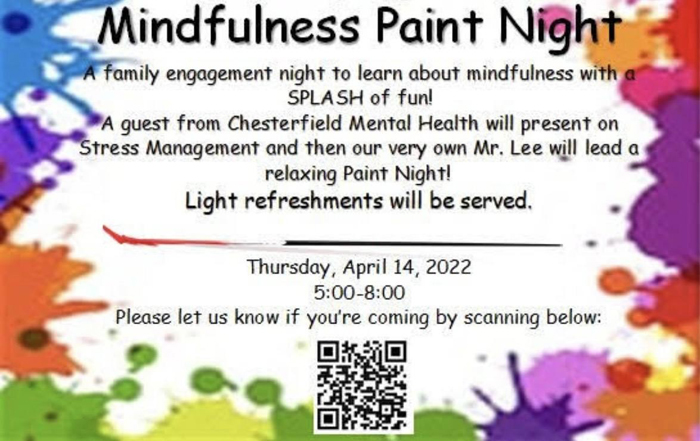
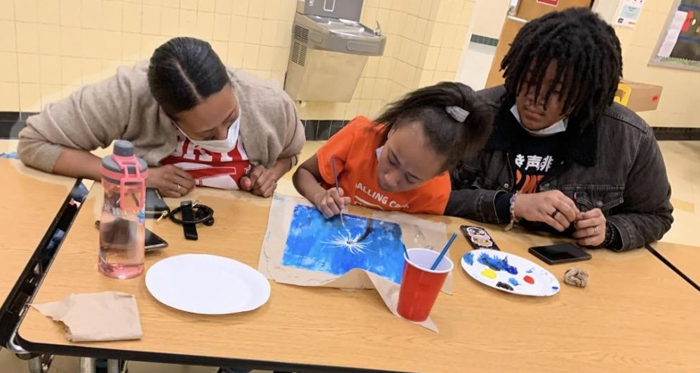
Planning this required significant legwork, from coordinating speakers to procuring supplies for hundreds of participants. I was fortunate to fund these materials through a grant, which was a game-changer. It allowed us to provide high-quality programming at no cost to families. If a grant feels like a unicorn in your district, don’t let that stall your momentum. Consider partnering with your PTA/PTO, launching a DonorsChoose project or seeking local business sponsors to create that supportive bridge.
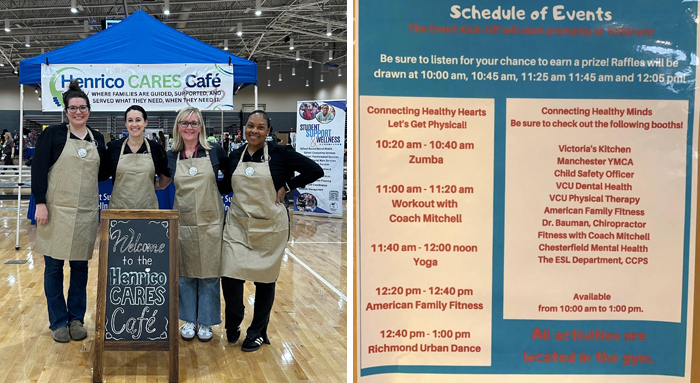
Beyond individual campuses, I’ve found power in numbers. I previously partnered with school counselors from neighboring schools for a community-wide Mental Health Fair. By pooling resources, we brought in various vendors and offered high-energy activities like Yoga and Zumba. These sessions proved to families that wellness isn't just about sitting and talking, but about movement, breath and community connection.
Scaling Innovation
In my current role, I advocate for wellness through division-wide innovation showcases. One year, we featured a "Zen Den" exhibit, providing a hands-on look at how calm-down spaces help students self-regulate in real-time. More recently, we highlighted our comprehensive school mental health system, ensuring every student has access to a full continuum of care. By inviting school health services, teletherapy providers and local agencies to these events, we transform the venue into a one-stop resource hub. This reinforces the idea that mental health is a community-wide responsibility and anchors SEL culture across the board.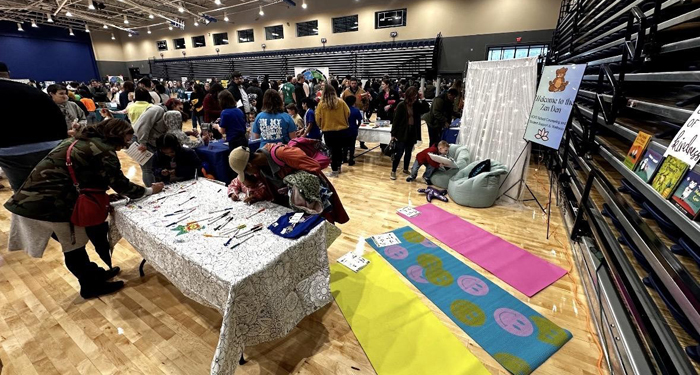
Impact Beyond the Corner
The integration of SEL teaches students skills they will use for a lifetime. After introducing breathing sticks at a family night, I noticed students independently using them in class to manage their emotions during transitions and group work. This demonstrated that SEL had become a meaningful, transferable skill. By consistently practicing these strategies, our students are developing the resilience and independence needed to navigate challenges both inside and outside the classroom.Contact Starlette Anderson at starlette.anderson19@gmail.com and Ashlee Davis at Aeaster2@rvaschools.net.